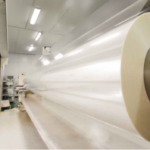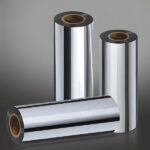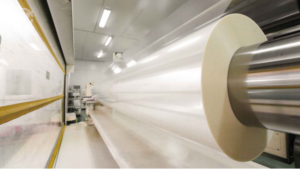
Roasting bags have transformed the way many foods are prepared, offering consumers a convenient way to cook meat, poultry, vegetables, and other oven-ready products while helping to retain moisture and flavor. However, the packaging used for these applications must perform under conditions considerably more demanding than those encountered by conventional food packaging. During roasting, the film can be exposed to elevated temperatures, steam, oils, fats, and mechanical stress. A packaging material that performs well under ordinary storage conditions may not necessarily maintain its integrity during high-temperature cooking. This is where Heat Sealable Pet Film becomes an important packaging solution. Combining the inherent strength and thermal stability of polyethylene terephthalate with a heat-sealable surface, this specialized film can provide the durability and sealing performance required for demanding roasting bag applications. Its ability to maintain structural integrity at elevated temperatures, while supporting reliable package sealing, makes it an attractive option compared with many conventional flexible films.

Why Roasting Bags Require Specialized Film Performance
A roasting bag is not simply a container. It becomes part of the cooking environment, meaning the packaging must remain functional while exposed to heat and internal pressure. As food heats, moisture turns into steam, creating pressure inside the bag. At the same time, oils and food juices can come into contact with the packaging surface.
The film must therefore withstand thermal exposure without losing its essential mechanical properties. It also needs reliable seals because the weakest part of many flexible packages can be the sealed area. If the seal softens excessively, weakens, or opens during cooking, the package may no longer perform as intended.
For manufacturers, the challenge is to find a material that balances high-temperature resistance, mechanical strength, sealing performance, flexibility, and food-packaging compatibility. Heat-sealable PET Film addresses several of these requirements in a single film platform.
Understanding Heat Sealable PET Film
PET, or polyethylene terephthalate, is a widely used polyester known for its strength, dimensional stability, and resistance to many environmental conditions. Conventional PET film, however, is not inherently designed to provide the same heat-sealing characteristics as specialized sealable films.
Heat-sealable PET Film is engineered with a sealable surface or coating that enables the film to form a bond under appropriate sealing conditions. This makes it possible to create flexible packages that combine PET’s mechanical and thermal advantages with practical heat-sealing functionality.
The result is a film that can be incorporated into packaging structures designed for demanding applications, including certain roasting and oven-cooking formats. The precise suitability depends on the film specification, construction, sealing system, and cooking conditions.
Superior Thermal Stability
One of the strongest arguments for PET-based film in roasting applications is its thermal stability. During cooking, packaging materials can reach temperatures substantially higher than those in typical ambient storage conditions. Materials that are not engineered for these conditions may soften, shrink excessively, deform, or lose mechanical strength.
PET has a relatively high melting point and good dimensional stability compared with many common packaging polymers. This provides a useful foundation for applications where temperature resistance is important.
Heat Sealable PET Film builds upon these characteristics by incorporating a sealable functionality. The combination allows packaging designers to develop structures that can maintain their physical form while also creating effective seals under suitable processing conditions.
For roasting bags, maintaining dimensional stability is particularly important. The bag needs to remain capable of containing food and steam throughout the cooking process rather than undergoing uncontrolled deformation.
Reliable Sealing at Elevated Temperatures
A roasting bag can only perform effectively if its seals remain secure. Sealing becomes especially challenging when a package is subjected to heat after it has already been sealed.
Heat Sealable PET Film is designed to provide a heat-sealable interface, enabling manufacturers to achieve consistent seals during packaging production. Properly engineered seals can help the package maintain integrity during subsequent thermal exposure.
The film’s sealing characteristics can also support efficient manufacturing. Modern packaging operations often require high production speeds and consistent seal quality. A material with predictable sealing behavior can help reduce production variability and support reliable package formation.
However, seal performance should always be evaluated under the actual intended cooking conditions. Temperature, dwell time, pressure, film construction, seal width, and food contact conditions can all influence the final result.
Mechanical Strength for Demanding Cooking Conditions
Heat is only one of the challenges faced by roasting bags. Mechanical stress is another. Before cooking, bags must be filled, handled, transported, and positioned for use. During cooking, the package can expand as steam develops and may come into contact with cooking trays or other surfaces.
PET’s strong tensile and dimensional characteristics can provide an advantage in such conditions. A robust film structure helps reduce the likelihood of tearing or excessive deformation during handling and cooking.
This mechanical strength can also be valuable during distribution. A roasting bag may pass through multiple stages before reaching the consumer, from manufacturing and filling to secondary packaging, transportation, retail storage, and final use.
A packaging material that combines thermal stability with mechanical durability can therefore offer benefits throughout the product’s lifecycle rather than only during cooking.
Resistance to Oils, Fats, and Food Components
Roasting foods frequently contain oils, marinades, sauces, and natural fats. These substances can come into prolonged contact with the packaging during cooking.
Packaging materials must be selected with consideration for their resistance to the specific food formulation. PET generally offers useful resistance to many substances encountered in food packaging, making PET-based structures suitable for a wide range of applications.
Nevertheless, compatibility should not be assumed universally. A roasting bag manufacturer should evaluate the actual food formulation and processing conditions to verify that the selected film and sealant system maintain their required performance.
This testing approach is particularly important when packaging highly seasoned foods, acidic marinades, fatty products, or formulations containing specialized ingredients.
Why Alternatives May Fall Short
Different polymers provide different combinations of properties. Polyethylene-based films, for example, are widely used in flexible packaging because of their flexibility and heat-sealing capabilities. However, certain high-temperature applications may require greater dimensional stability and mechanical performance than a conventional polyethylene film can provide on its own.
Polypropylene-based materials can also offer useful heat resistance, but their performance depends heavily on grade, thickness, structure, and application conditions. Conventional PET, meanwhile, provides excellent strength and thermal stability but generally requires a dedicated sealing layer or treatment to create practical heat-sealing functionality.
Heat Sealable PET Film seeks to combine these advantages. It retains many of the useful properties of PET while adding a sealing function essential for flexible cooking bags.
The important point is that no material should be considered universally superior. Film selection must be based on the actual cooking temperature, exposure time, package design, sealing requirements, and regulatory specifications. Heat Sealable PET Film becomes particularly attractive when thermal stability and reliable sealing need to be addressed together.
Moisture and Steam Management
Steam plays a central role in roasting. As food heats, water evaporates, increasing the package’s internal humidity. The resulting steam environment can affect both the food and the packaging.
A properly engineered roasting bag allows the cooking process to take place while maintaining package integrity. The film must remain stable, and the seals must continue to function despite elevated temperature and humidity.
Heat Sealable PET Film can contribute to this performance by providing a stable film base and dependable sealing characteristics when correctly specified. Maintaining package integrity helps contain cooking juices and steam, supporting the intended cooking environment.
This can also contribute to the consumer experience. When the bag functions properly, food can be cooked with less mess and potentially with better retention of natural moisture and flavor.
Supporting Convenient Consumer Cooking
Convenience is one of the major reasons roasting bags continue to appeal to consumers. People want cooking products that are easy to use, require minimal preparation, and reduce cleanup.
Packaging materials play a direct role in achieving this convenience. A reliable roasting bag should open easily, hold the food securely, withstand the intended cooking conditions, and remain intact throughout the process.
Heat-sealable PET Film can support these objectives by providing the structural performance necessary for a dependable cooking package. When combined with appropriate bag design and sealing technology, it can help manufacturers create convenient products without compromising packaging reliability.
Importance of Multilayer Structures
In many advanced food-packaging applications, a single material need not perform every function. Multilayer structures can combine different films to achieve a more balanced set of properties.
Heat-sealable PET Film may serve as a structural or functional component in such a construction. Additional layers can be selected to provide specific characteristics such as enhanced sealing, barrier protection, toughness, printability, or resistance to particular food components.
This approach gives packaging engineers greater flexibility. Instead of forcing a single polymer to provide all desired properties, the packaging structure can be engineered around the product’s requirements.
For roasting bags, this can be particularly useful because the package needs to balance high-temperature performance with sealing, flexibility, transparency or appearance, and food-contact requirements.
Maintaining Package Integrity From Production to Oven
The performance of a roasting bag should be considered across its entire journey. The package is first manufactured and sealed, then filled and transported, and eventually placed in an oven.
Every stage can create different stresses. During manufacturing, the film must run smoothly through converting and sealing equipment. During filling, it must resist damage from handling. During distribution, it must tolerate compression and movement. During cooking, it must withstand elevated temperature, steam, and contact with food.
Heat Sealable PET Film offers a combination of properties that can help address these different demands. Its strength and dimensional stability enable handling, while its sealability supports package formation.
The final packaging structure, however, remains critical. Film selection should always be accompanied by validation testing that replicates the actual production, distribution, and cooking conditions.
Quality Testing Is Essential
Even a technically advanced film should not be selected solely from a specification sheet. Roasting applications require practical testing because real-world conditions can vary considerably.
Manufacturers should evaluate seal strength after thermal exposure, dimensional stability, puncture resistance, tensile properties, and overall package integrity. Testing should also consider the actual food product, because oils, moisture, marinades, and food geometry can influence performance.
Cooking trials are particularly valuable. The finished package should be tested using the intended cooking temperature and duration, including worst-case conditions where appropriate.
This process allows manufacturers to identify potential weaknesses before commercial production and helps ensure that the final packaging system performs consistently.
The Future of High-Temperature Flexible Packaging
As consumers continue to seek convenient cooking solutions, manufacturers need packaging materials that can meet increasingly demanding performance requirements. Roasting bags illustrate this challenge particularly well because they combine food containment with direct exposure to high-temperature cooking conditions.
Heat Sealable PET Film provides a compelling combination of thermal stability, mechanical strength, dimensional performance, and heat-sealing capability. These characteristics can make it an effective component for roasting bag structures where conventional flexible films may not provide the desired balance of properties.
Its greatest advantage is not simply its ability to withstand heat. Rather, it is the way PET’s inherent strength and stability can be combined with a functional, sealable surface to create a packaging material suited to demanding cooking applications.
Conclusion
High-temperature food packaging requires careful material selection. Roasting bags must remain strong, stable, and securely sealed while exposed to heat, steam, oils, and mechanical stress. A packaging failure during cooking can compromise convenience, product quality, and consumer confidence.
Heat Sealable PET Film and High Barriar Bopet Film offer a practical solution by bringing together the thermal and mechanical advantages of PET with the sealing functionality required for flexible bag production. Compared with less specialized alternatives, it can provide a stronger foundation for packaging structures designed for demanding roasting applications.
Ultimately, the best results come from treating the film as part of a complete packaging system. Film specification, multilayer construction, seal design, converting conditions, food compatibility, and cooking requirements must all work together. When these factors are properly engineered and validated, Heat Sealable PET Film can help manufacturers deliver roasting bags that provide reliable performance from the packaging line to the oven and, finally, to the consumer’s kitchen.