

BOPP Thermal Lamination Film Properties
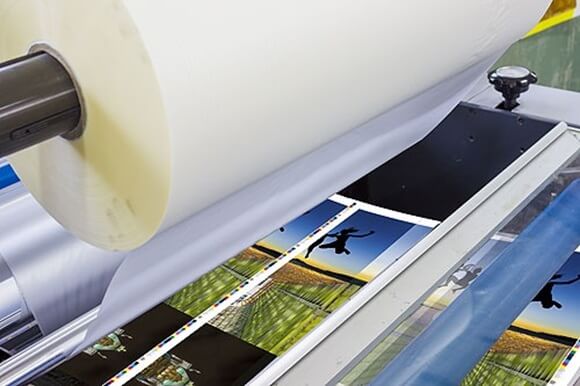
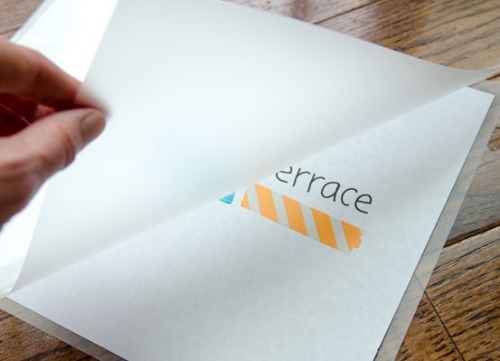
BOPP thermal lamination film combines the clarity and strength of biaxially oriented polypropylene with a pre-coated heat-activated adhesive. Designed for commercial printing, paper packaging, and graphic finishing, it provides a clean, durable surface while simplifying the lamination process.
Excellent Clarity and Gloss
The transparent BOPP base film preserves printed colors, sharpens visual details, and creates an attractive finish. Glossy grades enhance color depth, while matte options offer a more understated appearance.
Fast and Efficient Lamination
The pre-coated hot-melt adhesive eliminates on-site glue preparation. Heat and pressure activate the adhesive, allowing printers to achieve strong bonding within seconds and improve production efficiency compared with traditional wet lamination.
Solvent-Free Processing
Thermal lamination requires no solvent-based adhesive during application, helping reduce VOC emissions and workplace odors. Suitable grades can be supplied with relevant food-contact compliance documentation upon request.
Reliable Surface Protection
Once laminated, printed materials gain improved resistance to moisture, grease, scuffing, and everyday handling. The protective layer helps prevent ink abrasion, surface damage, and premature wear.
Consistent Quality
Stable coating weight and uniform adhesive distribution help minimize bubbles, delamination, and curling. Reliable batch consistency supports continuous production and reduces unnecessary material waste.
Cost-Effective Performance
Lightweight, economical, and compatible with most conventional thermal laminators, BOPP film offers a practical alternative to PET thermal lamination film. Its polypropylene structure also supports recycling where suitable collection and processing facilities exist.
What Are Common Types of Bopp Thermal Lamination Film?
Kingchuan Packaging offers various BOPP thermal lamination films for printing and packaging, each designed for specific finishing requirements.
BOPP Glossy Thermal Lamination Film
Featuring a bright, high-gloss surface, this film enhances printed colors and image contrast. It is widely used for book covers, brochures, posters, promotional leaflets, and general commercial printing.
BOPP Matte Thermal Lamination Film
The smooth, non-reflective surface creates a refined, elegant finish with reduced glare. It is particularly suitable for premium catalogs, luxury shopping bags, presentation folders, and branded paper packaging.
Anti-Scratch Thermal Lamination Film
An enhanced surface treatment provides greater protection against scratches and abrasion than standard films. This grade is recommended for frequently handled catalogs, educational books, premium packaging, and printed materials requiring extra durability.
Soft Touch Thermal Lamination Film
A specially developed surface coating delivers a velvety, smooth texture that enhances the tactile experience. Common applications include cosmetic gift boxes, luxury product packaging, hardcover books, and premium stationery.
Holographic Thermal Lamination Film
Decorative holographic patterns create changing visual effects under different lighting conditions. Available designs may include rainbow, starburst, and geometric finishes, making this film suitable for festive packaging, gift boxes, promotional products, and decorative branding.
Digital Thermal Lamination Film
Specifically developed for digitally printed materials, this film uses an optimized adhesive layer to bond effectively with toner-based prints. It helps reduce bubbling, poor adhesion, and toner-related lamination defects, particularly on dark, heavily printed areas.
Digital thermal lamination film is ideal for short-run printing, personalized packaging, print-on-demand books, and customized marketing materials. It can be processed on compatible conventional thermal laminators, subject to equipment settings and print conditions.
Bopp Thermal Lamination Film Practical Applications
Book Publishing and Commercial Printing
BOPP thermal laminating film protects book covers, magazines, educational materials, and presentation folders from repeated handling. It improves surface durability while helping reduce ink abrasion, corner damage, and visible wear.
Food and Consumer Packaging
Thermal lamination adds a protective finish to printed paperboard cartons for snacks, confectionery, bakery products, and other consumer goods. It improves resistance to surface moisture and handling damage. Food-contact applications require appropriately tested and compliant film constructions.
Advertising and Graphic Displays
Posters, exhibition graphics, promotional boards, and retail displays benefit from improved surface protection and a more professional appearance. Glossy films emphasize vibrant graphics, while matte films reduce unwanted reflections. Outdoor applications require additional UV and weather-resistance evaluation.
Furniture and Decorative Surfaces
Selected thermal lamination films can be used for compatible decorative paper substrates and interior finishing applications. They help improve surface cleanability and resistance to everyday stains. Adhesion and durability should be tested against the specific substrate and service conditions.
BOPP Thermal Lamination Film Operating Guidelines
Correct processing conditions are essential for achieving consistent results with BOPP thermal lamination film.
Lamination Temperature: 80–120°C
A typical operating range is 80–120°C, depending on adhesive formulation, machine speed, pressure, and substrate. Insufficient heat can cause weak bonding or delamination, while excessive temperatures may lead to shrinkage, curling, or surface deformation. Always confirm the recommended settings against the film’s technical data sheet.
Paper Moisture: Approximately 6–8%
Excessive paper moisture can interfere with adhesive bonding and cause small bubbles after lamination. Maintaining controlled paper moisture helps improve results. Where necessary, condition paper in a suitable dry production environment for approximately 24 hours before processing.
Hot Stamping Compatibility
Standard BOPP thermal lamination films may not tolerate high-temperature hot stamping, particularly above 110°C. For demanding foil-stamping applications, select a suitable heat-resistant, high-adhesion grade and conduct small-scale production trials before commercial use.
Storage and Handling
Store film rolls in a clean, ventilated environment at approximately 5–35°C, away from direct sunlight, moisture, and heat sources. Avoid sudden temperature changes that may affect film handling or adhesion.
If rolls have been exposed to high humidity or temperature fluctuations, allow them to stabilize in the production environment for at least 12 hours before use.
Choosing the Right Film
Film selection should consider printing technology, adhesive compatibility, surface finish, application requirements, and production speed. Matching these factors helps achieve reliable bonding, consistent appearance, and efficient long-term production.
Your Custom BOPP Thermal Lamination Film Manufacturer
Kingchuan Packaging supplies BOPP Thermal Lamination Film with consistent quality and competitive pricing for printers and packaging converters. Our EVA coated BOPP film provides reliable bonding and surface protection for book covers, brochures and printed cartons.
Choose BOPP Glossy Thermal Lamination Film to enhance colours or BOPP Matte Thermal Lamination Film for a subtle, low-glare finish. Custom thicknesses and roll widths help match your paper lamination equipment and production requirements.
As a BOPP Thermal Lamination Film supplier exporting to over 75 countries and regions, we offer one-stop sourcing for lamination films and other packaging materials. From grade selection to order consolidation and export coordination, we make purchasing simpler.


