In the competitive wine industry, packaging plays a significant role in shaping consumer perceptions, communicating brand identity, and influencing purchasing decisions. From premium red wines to refreshing whites and sparkling varieties, every bottle gives producers a chance to communicate quality, craftsmanship, and sophistication. Although the wine itself remains the most important product, its visual presentation can determine whether consumers notice it on a crowded retail shelf. This is where Glossy Bopet Film becomes a valuable packaging material for wine brands seeking to improve marketability.

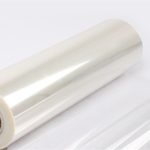
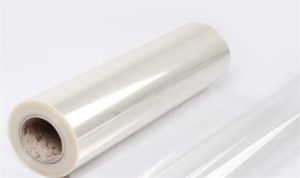
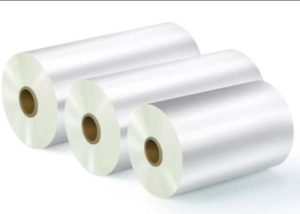
BOPET, or biaxially oriented polyethylene terephthalate, is a polyester film known for its strength, dimensional stability, clarity, and surface quality. Depending on its formulation and finish, glossy BOPET film can deliver an attractive appearance while meeting the durability demands of modern packaging. Its reflective surface can enhance printed graphics, highlight brand colors, and give labels or decorative packaging components a polished look.
Understanding Glossy BOPET Film in Wine Packaging
Manufacturers produce glossy BOPET film by stretching polyethylene terephthalate in two directions to improve its mechanical properties and dimensional stability. The resulting film can offer a smooth, attractive surface suitable for a variety of printing, laminating, and decorative packaging applications.
For wine brands, packaging materials’ visual characteristics are especially important. Wine is often associated with celebrations, fine dining, gifting, and premium experiences. Consumers may therefore evaluate a bottle partly through its label design, finish, and overall presentation before deciding whether to explore the product further.
Glossy BOPET film can support these visual objectives by providing a reflective finish that highlights selected design elements. Depending on the label construction and printing process, it can deliver sharp graphics, vibrant colors, and a refined look.
The film’s suitability for a particular wine label depends on several factors, including its thickness, surface treatment, adhesive compatibility, printing requirements, and intended application. Choosing the right material is essential to achieve a consistent appearance while maintaining reliable performance through packaging, transportation, and retail display.
Creating a Powerful First Impression on Retail Shelves
A wine retailer may display dozens or even hundreds of bottles in a relatively small space. With so many competing products, brands need packaging that quickly and effectively communicates their identity. A visually appealing label can help a bottle stand out without relying entirely on elaborate graphics or oversized branding.
Glossy BOPET film provides a surface that can emphasize carefully selected design features. Rich burgundy colors, elegant typography, gold-toned accents, and detailed illustrations can stand out more when paired with the right glossy finish.
For example, a winery introducing a premium Cabernet Sauvignon might use a dark label with metallic-inspired graphics and a glossy protective layer. The contrast between the dark background and reflective design elements can create a sophisticated presentation that complements the product’s intended positioning.
However, successful packaging does not depend on gloss alone. The finish should support the brand’s overall visual strategy. A minimalist wine label may benefit from selective gloss effects, while a contemporary fruit wine brand might use brighter colors and more expressive artwork.
Used thoughtfully, glossy BOPET film helps packaging designers establish visual hierarchy, highlight key information, and create a memorable first impression.
Enhancing Brand Identity Through High-Quality Printing
Consistent branding is essential for wine producers seeking recognition and repeat purchases. Consumers should be able to identify a brand through its logo, colors, typography, and distinctive design elements, even when the bottle appears among competing products.
Glossy BOPET film can support high-quality printed packaging when the film’s surface treatment, ink system, and printing method are properly matched. Its smooth surface helps reproduce detailed graphics and delivers a clean, professional finish.
This is particularly useful for wine labels featuring intricate illustrations, vineyard imagery, decorative borders, or carefully designed typography. Clear visual reproduction helps preserve the details that distinguish one wine brand from another.
For established wineries, a consistent glossy finish across multiple product lines can reinforce brand familiarity. For example, a producer offering Merlot, Chardonnay, and rosé wines can maintain a recognizable packaging style while using different colors and illustrations to distinguish each variety.
For new brands, a distinctive label can help establish a recognizable visual identity from the beginning. When the packaging remains consistent across retail displays, promotional materials, and digital product listings, consumers have more opportunities to become familiar with the brand.
The effectiveness of glossy BOPET film ultimately depends on the complete printing and finishing process. Proper material selection and quality control help ensure that the final packaging reflects the brand’s intended appearance.
Supporting Premium Positioning and Perceived Value
Wine brands often use packaging to communicate their market position. Products intended for everyday consumption may emphasize simplicity and accessibility, while premium and limited-edition wines may feature more elaborate labels, refined typography, and distinctive finishes.
Glossy BOPET film can support premium positioning by creating a polished look that complements other packaging elements. Combined with suitable printing techniques, embossing, decorative foils, or selective coatings, it can produce a visually sophisticated label.
For example, a winery launching a limited-edition vintage may incorporate subtle reflective details into its label design. These details can draw attention to the vintage year, vineyard name, or emblem without overwhelming the overall composition.
The same approach can benefit gift-oriented wine products. Consumers purchasing wine for birthdays, anniversaries, business gifts, and seasonal celebrations often consider presentation alongside product quality. An attractive label can help the bottle appear thoughtfully designed and appropriate for the occasion.
Nevertheless, premium positioning must be supported by the product itself. Packaging can influence expectations, but it cannot replace wine quality, authenticity, or customer satisfaction. The strongest branding strategies use glossy BOPET film to reinforce a credible product identity rather than making unsupported claims about the wine.
Improving Label Durability and Presentation
Wine packaging must withstand more than time on a retail shelf. Bottles may pass through filling lines, distribution centers, delivery vehicles, storage facilities, and chilled display environments before reaching consumers.
During this journey, labels can encounter handling, friction, moisture, condensation, and temperature changes. Packaging materials must therefore be selected based on the conditions in which the finished product will be stored, transported, and used.
BOPET film is valued for its mechanical strength and dimensional stability. In suitable label constructions, these characteristics can help maintain a neat appearance and resist common handling stresses.
For wine bottles displayed in refrigerated cabinets or served in ice buckets, condensation resistance matters. A properly engineered film label system can help preserve printed graphics under appropriate conditions. However, performance depends on the complete construction, including the film, ink, adhesive, coating, and application process.
Wine producers should test their selected labels under representative storage and service conditions. Adhesive performance, bottle curvature, moisture exposure, and temperature variation can all influence the final result.
A label that remains attractive throughout the product’s lifecycle helps preserve the brand’s visual presentation. This is especially important for premium wines, where damaged or poorly attached labels can undermine the intended impression of quality.
Expanding Creative Possibilities for Wine Label Design
Modern wine branding increasingly combines traditional design elements with contemporary visual techniques. Some wineries emphasize heritage through vineyard illustrations and classic typography, while others use bold colors, geometric patterns, or minimalist graphics to appeal to different audiences.
Glossy BOPET film offers designers a useful option for exploring these different approaches. Its surface can complement detailed illustrations, high-contrast artwork, modern typography, and decorative visual elements.
For example, a winery producing organic-style wines might use a restrained label design with natural colors and subtle glossy accents. Another producer targeting a contemporary market might choose vibrant artwork with reflective details that create visual contrast.
The film can also be considered for coordinated packaging elements beyond the primary bottle label, depending on the application. Decorative sleeves, promotional packaging, and selected gift-pack components may benefit from a consistent finish that connects different parts of the product presentation.
These opportunities allow brands to maintain a recognizable identity while introducing seasonal collections, special releases, or new product varieties.
Designers should also consider legibility. Essential information, including the product name, variety, origin, and legally required labeling details, must remain easy to read. Reflective surfaces can produce glare under certain lighting conditions, so the finished label should be evaluated under realistic retail and consumer environments.
Strengthening Marketing Across Physical and Digital Channels
Wine packaging is no longer limited to physical retail shelves. Consumers increasingly discover products through online stores, winery websites, digital catalogs, social media, and promotional campaigns.
In these environments, packaging becomes an important visual asset. A well-designed label can help a wine bottle look professional in product photography and create a consistent appearance across marketing channels.
Glossy BOPET film can enhance color contrast and create a polished finish. With suitable lighting, the label can communicate a refined visual identity that supports the brand’s marketing objectives.
However, reflective packaging requires careful photography. Uncontrolled reflections can obscure text or create bright spots that distract from the design. Product photographers should use appropriate lighting, camera positioning, and reflection management to represent the bottle accurately.
Consistency between physical packaging and online imagery matters as much. Consumers should recognize the same logo, colors, and label design whether they see the product in-store or online.
By treating packaging as part of a broader marketing strategy, wineries can create a more coherent brand experience. Glossy BOPET film can support this strategy when its visual qualities align with the brand’s photography, promotional materials, and overall presentation.
Considering Sustainability and Responsible Material Selection
Sustainability has become an important consideration in packaging decisions across the food and beverage industry. Wine producers may need to balance visual appeal, durability, labeling performance, cost, and environmental objectives when selecting materials.
As a polyester-based material, BOPET’s environmental impact depends on factors such as how it is produced, how much material is used, the overall packaging design, and the availability of suitable collection and recycling systems.
A glossy finish alone does not establish whether a packaging solution is sustainable. Labels can contain multiple layers, inks, adhesives, and coatings that influence the recyclability of the complete bottle-and-label system.
Wine brands should therefore evaluate the entire packaging construction rather than considering the film in isolation. Compatibility with glass recycling processes, local waste-management infrastructure, and relevant packaging regulations should be assessed with qualified material and recycling specialists.
Reducing unnecessary packaging, selecting appropriate film thicknesses, minimizing production waste, and working with suppliers that provide reliable technical documentation can help businesses make more informed decisions.
Where recycled-content options or alternative materials are being considered, producers should verify that the chosen solution meets the necessary printing, durability, food-contact, and regulatory requirements for its intended use.
Responsible material selection allows wineries to pursue attractive packaging while taking practical steps toward their broader environmental goals.
Choosing the Right Glossy BOPET Film Supplier
Selecting a reliable supplier is an important step in developing effective wine packaging. Film quality and consistency can affect print results, converting efficiency, label appearance, and production reliability.
Wine producers and label manufacturers should evaluate suppliers based on material specifications, thickness consistency, surface properties, print compatibility, and technical support. Documentation covering the film’s intended applications and relevant regulatory requirements should also be reviewed.
Compatibility testing is particularly important when introducing a new material into an established production process. Printing trials, adhesive assessments, label application tests, and environmental exposure evaluations can identify potential issues before large-scale manufacturing begins.
Supply reliability also matters. Consistent material availability helps wineries maintain production schedules and preserve the same appearance across different batches and product releases.
Businesses should discuss their specific requirements with suppliers, including whether the film will be used for pressure-sensitive labels, laminated constructions, or another decorative application. The correct specification depends on the converting process and the final packaging design.
A knowledgeable supplier can identify suitable film grades and provide technical information to support better purchasing decisions.
Conclusion
In the competitive wine market, packaging plays an important role in how consumers discover, recognize, and evaluate brands. Glossy BOPET film and Matte Bopet Film offer wine producers a combination of visual appeal, mechanical strength, dimensional stability, and printing potential that supports effective label and decorative packaging applications.
From creating an attractive first impression to reinforcing brand identity and supporting premium positioning, the material can support a packaging strategy built around consumer attention. Its suitability for particular applications depends on careful specification, compatible printing and adhesive systems, and testing under realistic storage and handling conditions.
At the same time, wineries must consider sustainability, regulatory compliance, production efficiency, and the complete packaging structure when choosing materials.
By combining thoughtful design with reliable material performance, wine brands can create packaging that reflects their identity and supports their marketing objectives. Glossy BOPET film can transform a wine bottle’s exterior into a recognizable brand asset, strengthening its presentation in an increasingly competitive marketplace.