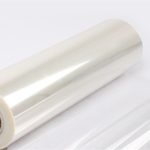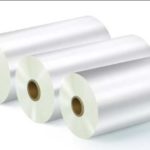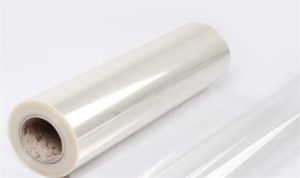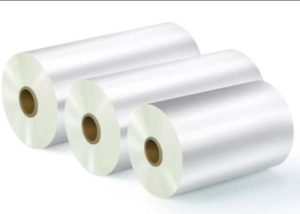
To request an accurate BOPP film quotation, tell your supplier what the film will be used for, the required film type, thickness, width, roll dimensions, printing or sealing requirements, order quantity, and delivery destination. If you do not know the exact specifications, share your current film sample, packaging structure, machine requirements, or desired performance so the supplier can help identify a suitable option.
1. What Information Is Essential for an Accurate BOPP Film Quote?
A useful quotation request explains both the film you need and how you intend to use it. Two buyers requesting the same thickness and width may need different films because one intends to print and laminate the material while the other needs a heat-sealable packaging film.
For an initial inquiry, prioritize five details:
- Application: What are you packaging, printing, laminating, or manufacturing?
- Film requirements: What grade, appearance, thickness, and width do you need, if known?
- Processing method: Will the film be printed, laminated, heat-sealed, coated, or used without further conversion?
- Order quantity: How much material do you expect to purchase?
- Destination: Where should the material be delivered?
Additional technical information helps the supplier assess compatibility and prepare a more precise quotation. However, not every field applies to every application, and you do not need to know every specification before making contact.
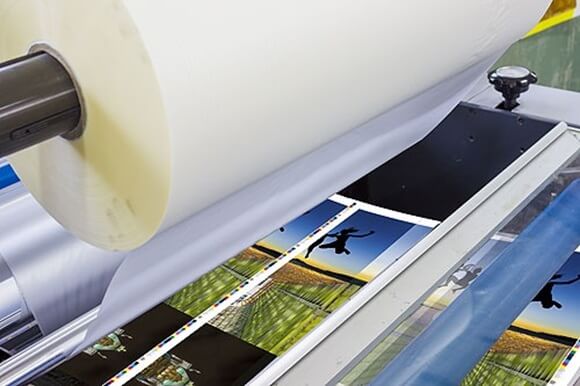
BOPP Film Quotation Requirements at a Glance
|
Information needed |
Why it matters |
Example entry |
|
Intended application and packaged product |
Helps determine the appropriate film type and performance requirements. |
Outer printed layer of a snack pouch |
|
Film grade, if known |
Identifies whether the application requires printable, heat-sealable, glossy, matte, or another film type. |
Clear, printable BOPP; exact grade unknown |
|
Thickness and tolerance |
Influences material consumption, handling, stiffness, and converting performance. |
20 µm; tolerance to confirm |
|
Width and tolerance |
Helps match the roll to printing, laminating, slitting, or packaging equipment. |
500 mm; ±1 mm requested |
|
Roll length or maximum outside diameter |
Helps determine the roll configuration and whether it fits the machine. |
Maximum outside diameter: 400 mm |
|
Core dimensions and winding |
Helps check compatibility with the machine shaft, unwind arrangement, and roll-handling equipment. |
76.2 mm core inside diameter; winding direction to confirm |
|
Printing method and ink system, if relevant |
Helps assess surface compatibility and ink adhesion requirements. |
Reverse gravure printing; solvent-based inks |
|
Surface treatment and treated side |
Identifies which film surface needs to accept ink, adhesive, or coating. |
Corona-treated printing side; required treatment level to confirm |
|
Sealing or lamination requirements |
Helps determine whether the film needs a sealable surface or compatibility with another substrate. |
Adhesive lamination to PE film |
|
Appearance or special performance |
Identifies relevant needs such as clarity, opacity, slip, or barrier performance. |
High clarity; target performance to discuss |
|
Quantity and order frequency |
Provides a basis for discussing supply volume, order configuration, and commercial terms. |
Initial 2,000 kg; estimated 6,000 kg monthly |
|
Delivery destination |
Helps clarify freight requirements and the basis of the quoted price. |
Chattogram, Bangladesh |
|
Technical or compliance documents |
Identifies what information must be reviewed before approval or production. |
Technical data sheet and application-specific compliance information |
2. How to Specify the Application and Choose a BOPP Film Grade
The best starting point is your intended application, not a guessed film grade.
Biaxially oriented polypropylene (BOPP) films come in different surface finishes and functional properties. A film suitable for overlaminating printed paper may not have the same requirements as a film used for reverse-printed flexible packaging.
When contacting a supplier, describe the end use as specifically as possible.
For example:
- Printed flexible packaging: Explain whether the film will be surface-printed or reverse-printed and whether it will be laminated to another material.
- Heat-sealed packaging: Explain which surfaces must form a seal and what packaging equipment will be used.
- Labels and decorative applications: Describe the desired appearance, printing process, adhesive, coating, or converting method.
- Paper or board lamination: Identify the paper or board substrate and whether the process uses thermal or adhesive lamination.
You can begin by exploring Kingchuan’s Bopa Film For Printing with different categories to understand the different product types listed.
For appearance-related applications, review the glossy BOPP film product page. If printing is a major requirement, the printable BOPP film page is another useful reference.
However, a product name alone does not establish compatibility with your process. A glossy finish does not automatically mean a film is suitable for your printing system, and a printable film is not necessarily heat-sealable on the required side.
What if you do not know the correct grade?
You can still request a quotation. Instead of guessing, send any available information:
- A sample of your existing film.
- Clear photographs of the current roll label or material specification.
- The existing packaging structure, such as BOPP/PE, if known.
- Printing, laminating, slitting, or packaging machine specifications.
- The required appearance, such as transparent, matte, white, or opaque.
- A description of the problem you want to solve, such as poor ink adhesion, difficulty sealing, or excessive film breaks.
Explain whether you want an equivalent material, a change in performance, or a new packaging structure.
This gives the supplier a practical starting point for discussing suitable film options. Final suitability may still require technical review and production trials.
3. How to Specify Thickness, Width, Roll Length, Diameter, and Core Size
Film dimensions should be specified with their units and machine limits. Thickness, roll length, outside diameter, and core size are related, so they should not be treated as completely independent choices.
Film thickness
BOPP film thickness is commonly expressed in micrometres (µm), also called microns.
For reference, 20 µm equals 0.020 mm.
Thickness influences film stiffness, material yield, handling, and performance in the intended application.
If your existing film is satisfactory, provide its nominal thickness and any specified tolerance. If you are developing a new package, describe the required performance and ask which thickness options should be evaluated.
For example:
Requested thickness: 20 µm; acceptable variation to be confirmed.
Do not specify an arbitrary tolerance without considering your equipment and application.
Film width
Film width is normally given in millimetres (mm).
Provide the width required by your machine or converting process. If your specification includes a width tolerance, state it clearly.
For example:
Required width: 500 mm ±1 mm.
If you purchase wider rolls for later slitting, explain whether the quoted material should be supplied as a parent roll or finished slit rolls.
Roll length and outside diameter
Roll length is the amount of film wound onto a roll, usually expressed in metres (m). Outside diameter (OD) is the diameter of the finished roll, generally expressed in millimetres (mm).
They are connected.
For a given film thickness and core diameter, increasing roll length generally increases the finished roll diameter and weight. Actual roll dimensions also depend on winding conditions and film characteristics.
Therefore, a request such as “5,000 metres per roll with a maximum diameter of 400 mm” needs a compatibility check rather than an assumption that both requirements can always be met.
If you do not know the required roll length, provide your machine’s maximum permitted roll diameter and, if relevant, maximum roll weight. The supplier can then assess a suitable roll configuration.
Core size and winding direction
The core is the tube around which the film is wound. Its inside diameter (ID) must fit the machine’s shaft or chuck.
State the required core inside diameter, core material if necessary, and any restrictions on core length or strength.
Also identify the required winding or unwind arrangement, particularly when the film has a treated, coated, printable, or sealable side.
Where possible, provide a photograph or diagram showing how the film unwinds through your machine. This is especially useful when describing inside-facing and outside-facing surfaces.
4. What Printing, Surface Treatment, Sealing, and Lamination Details Should You Provide?
Tell the supplier what operations the film will undergo after delivery. These details help determine which surface properties are important and whether the proposed material needs further testing.
Printing requirements
If the film will be printed, mention:
- The printing process, such as flexographic or rotogravure printing.
- The ink system, such as solvent-based, water-based, or UV-curable inks.
- Whether the design is surface-printed or reverse-printed.
- Whether an existing ink or adhesion problem needs to be resolved.
If you do not know the ink chemistry, provide your printer’s information or ask the printing team to confirm it.
Surface treatment
Bopa Laminating Film may require surface treatment, such as corona treatment, to improve wetting and adhesion of inks, adhesives, or coatings.
Tell the supplier which side requires treatment and, if known, the required wetting tension or dyne level. Dyne level is a commonly used indicator of how readily a liquid wets a film surface, although it does not by itself guarantee adhesion.
The appropriate level depends on the ink, coating, adhesive, and processing conditions. Surface treatment can also change during storage, so the condition of the film at the time of conversion matters.
If the required level is unknown, state the printing or laminating process and request technical guidance rather than choosing an unsupported number.
Heat-sealing requirements
If the film itself must form a heat seal, explain the packaging process and identify the surfaces being joined.
Useful information includes the sealing equipment, current sealing temperature range if known, line speed, required seal strength, and any relevant issues with hot tack or seal integrity.
Hot tack refers to the strength of a newly formed seal while it is still hot.
Not every BOPP film is heat-sealable. If the seal is formed by a separate PE or other sealant layer, describe that structure rather than assuming the outer BOPP film must also provide the seal.
Lamination requirements
If the film will be laminated, provide the other material or materials in the structure.
For example:
Proposed structure: reverse-printed BOPP laminated to PE using a solventless adhesive.
Also identify the adhesive type and any important bonding or processing requirements.
For demanding applications, ask which compatibility tests or technical data should be reviewed before final material approval.
5. What Quantity, Delivery, and Documentation Details Are Needed?
A complete quotation request should distinguish technical requirements from purchasing and delivery requirements.
Order quantity and frequency
State the quantity required for the first order, using a clear unit such as kilograms (kg), metric tonnes, or number of rolls.
Also explain whether the purchase is a one-time order, a trial order, or part of an ongoing supply requirement.
For example:
Initial requirement: 2,000 kg. Potential recurring demand: approximately 6,000 kg per month.
This helps the supplier understand the expected order pattern. It does not establish any minimum order quantity or guarantee that the requested volume can be supplied.
Delivery destination and commercial terms
Provide the destination country, city, and port or delivery address where relevant.
For international purchases, specify the requested Incoterms rule and named place, such as FOB at an agreed port or CIF to a named destination port. If you are unsure which term to use, ask the supplier to clarify the available quotation bases.
You should also state your preferred delivery window, while recognizing that it remains a request until confirmed.
Technical and compliance documentation
Different products, industries, and destination markets may require different supporting documents.
Depending on your application, you may need to request:
- A technical data sheet (TDS) for the proposed film grade.
- Relevant test methods and acceptance criteria.
- A certificate of analysis (CoA), where available and applicable.
- Food-contact or other regulatory compliance information, if required for the intended use and market.
- Product identification, traceability, or shipping documentation.
Do not assume that a film is approved for food contact or another regulated application simply because it is described as packaging film.
Identify the destination market, intended contact conditions, and specific documentation you need. Ask the supplier to confirm which documents can be provided for the proposed grade.
6. Example BOPP Film Inquiry and Copyable Quotation Checklist
The following example shows how a buyer can combine technical and commercial information in one inquiry.
Completed Example Inquiry — Hypothetical
This is an illustrative buyer inquiry only. It is not an actual Kingchuan quotation, a confirmed available product specification, or a commitment regarding price, minimum order quantity, delivery, or documentation.
Subject: BOPP Film Quotation Request — Printable Film for Snack Packaging
Dear Sales Team,
We are a flexible packaging converter looking for BOPP film for reverse-printed laminated snack packaging.
Our preliminary requirements are:
- Application: Outer printed layer of flexible snack packaging.
- Film type: Clear, printable BOPP; exact grade to be recommended.
- Film thickness: 20 µm nominal; tolerance to be confirmed.
- Film width: 500 mm; requested tolerance ±1 mm.
- Roll configuration: Maximum outside diameter of 400 mm; roll length to be determined.
- Core inside diameter: 76.2 mm (3 inches).
- Printing: Reverse rotogravure printing using solvent-based inks.
- Surface treatment: Suitable treatment on the reverse-printing side; required treatment level to be confirmed.
- Lamination: Intended for solventless adhesive lamination to PE film.
- Sealing: No direct heat-sealing requirement for the BOPP layer.
- Initial quantity: Approximately 2,000 kg.
- Estimated recurring quantity: Approximately 6,000 kg per month.
- Delivery destination: Chattogram, Bangladesh.
- Documents requested: Technical data sheet and confirmation of any applicable supporting documents.
Please advise which film grade may suit this application, whether these specifications can be accommodated, and which additional details you need to prepare a quotation.
Please also clarify the proposed quotation basis and any technical evaluation requirements.
Thank you.
Request a BOPP Film Quotation from Kingchuan Packaging
A useful quotation starts with a clear description of your application, the available technical specifications, and your purchasing requirements.
Whether you already have a complete material specification or need guidance identifying a suitable film type, you can contact Kingchuan Packaging with your BOPP film requirements.
Share your completed checklist, existing film details, or machine requirements, and ask the team to review the information needed for your quotation.